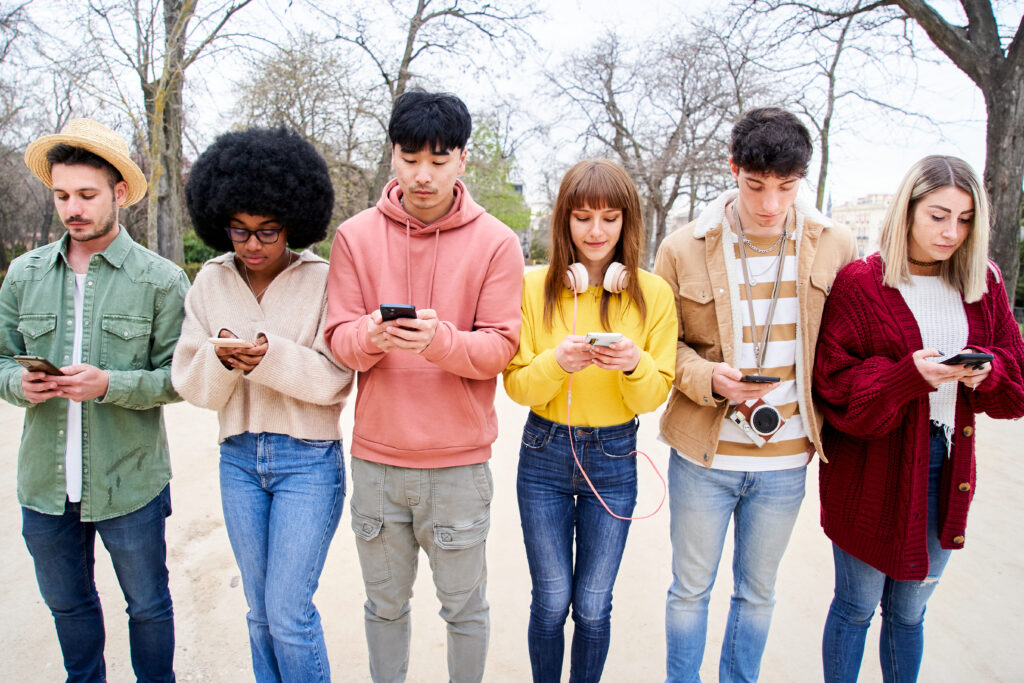
Be a Cyber Hero | Youth & Young Adult Edition
Adapted for teens and young adults in the United States
Why February 2026 matters online
February is a busy digital month for students and young adults in the United States.
New school semesters are underway, college admissions and financial aid processes are active, gaming communities are growing after winter releases, and social platforms see increased activity around events like Valentine’s Day promotions and online campaigns.
Cybercriminals closely follow these patterns.
Security researchers observed a continued rise in AI-assisted scams, impersonation attacks, identity theft attempts, and social platform fraud targeting young people during early 2026.
In many cases, attackers are not exploiting technical vulnerabilities — they are exploiting trust, urgency, and human behavior.
Here are the main threats teens and young adults in the U.S. faced during February 2026.
Threat 1: Student Financial Aid & FAFSA Phishing
February is a critical time for many students completing financial aid applications and checking scholarship opportunities.
Attackers exploit this moment by sending fake financial aid emails or creating fraudulent login portals that imitate legitimate government or university services.
These messages often claim:
• FAFSA verification is required
• financial aid status needs confirmation
• scholarship applications are incomplete
• student accounts need urgent review
Real danger scenario
You receive an email saying:
“Your FAFSA application requires verification. Log in here to complete the process.”
The page looks identical to the real student aid portal.
But once you enter your credentials, attackers capture your login information.
👉 Cyber Hero Rule:
Only access FAFSA and student aid accounts through the official website:
studentaid.gov
Never log in through links sent by email or DMs.
Threat 2: AI Relationship Scams & Valentine’s Day Social Engineering
February also brings a surge in romance scams and emotionally driven social engineering around Valentine’s Day.
Attackers create convincing profiles on social media and dating platforms to build trust quickly.
AI tools now help scammers generate:
• realistic conversations
• personalized messages
• believable backstories
Real danger scenario
You meet someone online who quickly builds a connection and then asks for help with an urgent financial situation or requests access to a digital account.
The relationship feels real.
But the entire identity may be fake.
Cyber Hero Strategies:
Be cautious when someone online asks for money or sensitive information.
If someone you met online asks for financial help or account access — treat it as a major red flag.
Threat 3: Credential Leaks and Account Takeovers
Cybercriminals increasingly rely on credential reuse attacks instead of traditional hacking.
Data breaches from older platforms often expose usernames and passwords.
Attackers then test those credentials across multiple services such as:
• gaming platforms
• social media
• email accounts
• streaming services
Real danger scenario
You use the same password on a gaming website and your email account.
When that gaming site suffers a data breach, attackers reuse the password to access your email.
From there, they can reset other accounts.
Cyber Hero Checklist:
Use unique passwords for every account.
Enable Multi-Factor Authentication everywhere.
Consider using a password manager to safely store credentials.
Threat 4: QR Code Phishing (“Quishing”)
QR codes are widely used across U.S. campuses, events, and promotions.
Cybercriminals have started abusing this trust.
Malicious QR codes can lead users to phishing pages designed to steal login credentials.
Real danger scenario
You see a poster on campus saying:
“Scan this QR code to sign up for a student event.”
The QR code leads to a login page asking for your university credentials.
But the site is fake.
Because QR codes hide the actual link, people often scan them without verifying the destination.
Cyber Hero Tip:
Before entering credentials, always confirm that the website address is legitimate.
Threat 5: Gaming & Discord Community Scams
Gaming communities remain one of the most targeted environments for young users.
Scams often appear in:
• Discord servers
• gaming forums
• streaming communities
• mod download websites
Common traps include:
• “exclusive” skins or rewards
• early access to game updates
• free downloadable mods
• tournament invitations
Real danger scenario
You join a Discord server promising access to rare skins.
To claim them, you must log in through a third-party site.
The site captures your credentials instead.
Be a Cyber Hero: February 2026 Safety Checklist
✔ Use strong unique passwords
✔ Enable Multi-Factor Authentication everywhere
✔ Never share verification codes
✔ Avoid logging into accounts through links in emails or DMs
✔ Be cautious when scanning QR codes
✔ Verify urgent requests through multiple channels
✔ Think twice before downloading files or joining unknown communities
✔ Report suspicious activity on social platforms
What Being a Cyber Hero Means in 2026
A Cyber Hero isn’t just tech-savvy — you:
🌐 Understand how human behavior shapes risk
🧠 Recognize emotional manipulation
🛡️ Protect privacy and personal identity
📣 Report threats to protect others
🚫 Don’t let urgency or pressure rush your decisions
Cybersecurity begins with awareness and responsible behavior.
Stay alert. Stay informed. Be a Cyber Hero.
Daniel Porta
Cybersecurity Professional | CISO
Founder, Be a Cyber Hero Initiative